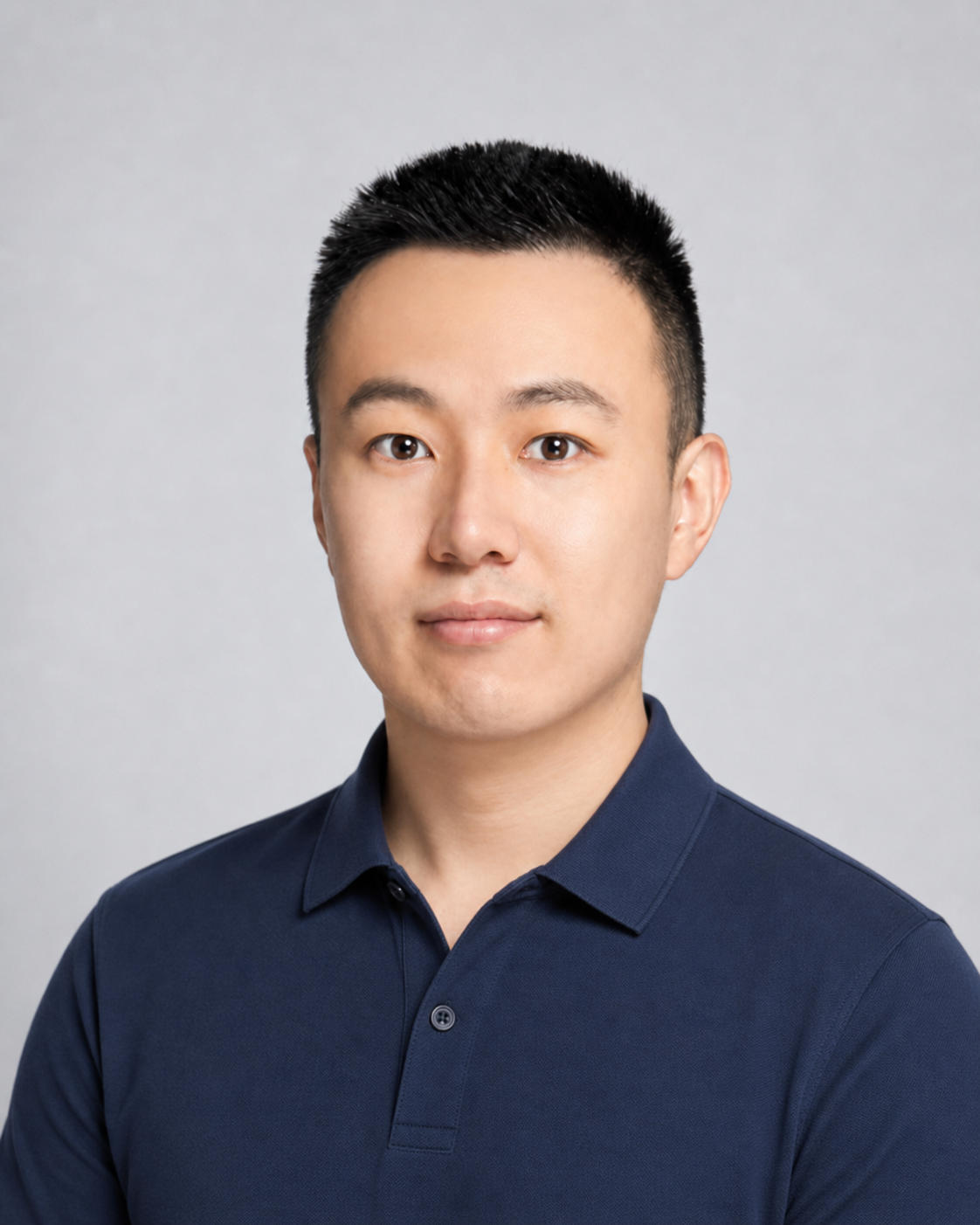
He Sun (孙赫)
Assistant Professor of Biomedical Engineering & Physics (Boya Scholar)
College of Future Technology, Peking University
Academy for Advanced Interdisciplinary Studies, Peking University
National Biomedical Imaging Center, Peking University
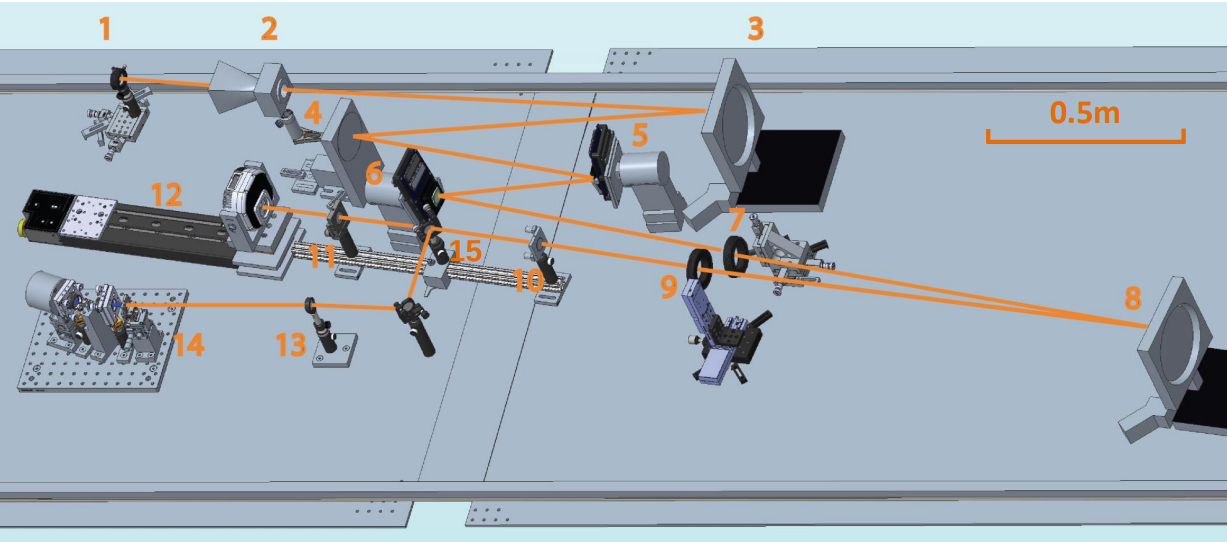
I build frontier imaging instruments that extend human vision for scientific discovery and advanced manufacturing. My lab at Peking University combines physics-grounded algorithms—computational physics, control, and generative AI—with hardware innovations for imaging at extreme scales. My work has supported various challenging science missions, such as black hole imaging and the search for Earth-like exoplanets, as well as biomedical imaging modalities including ultrasound tomography and computational microscopy.
Experience
- 2022 – present Assistant Professor of Biomedical Engineering & Physics, Peking University
- 2019 – 2022 Postdoctoral Researcher & Amazon AI4Science Fellow, California Institute of Technology (Host: Katie Bouman)
- Key contributor to the EHT imaging team for Galactic center black hole imaging and feature extraction
- 2018 Summer Research Intern, Mitsubishi Electric Research Laboratories, Cambridge, MA, USA
- 2014 – 2019 Ph.D. in Mechanical Engineering - Control and Dynamical Systems, Princeton University (Advisor: N. Jeremy Kasdin)
- Thesis: Efficient Wavefront Sensing and Control for Space-based High-contrast Imaging
- 2010 – 2014 B.Eng. in Engineering Mechanics and B.S. in Economics, Peking University
Research
My research spans the following areas. For more details, visit our group website.
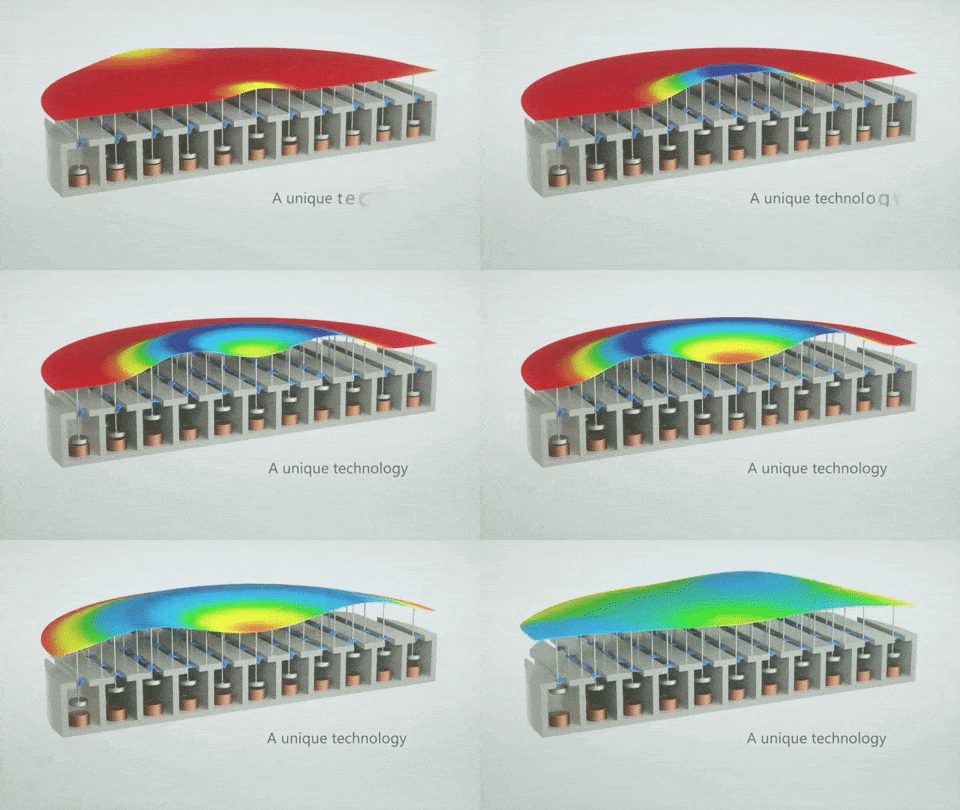
Adaptive Optics
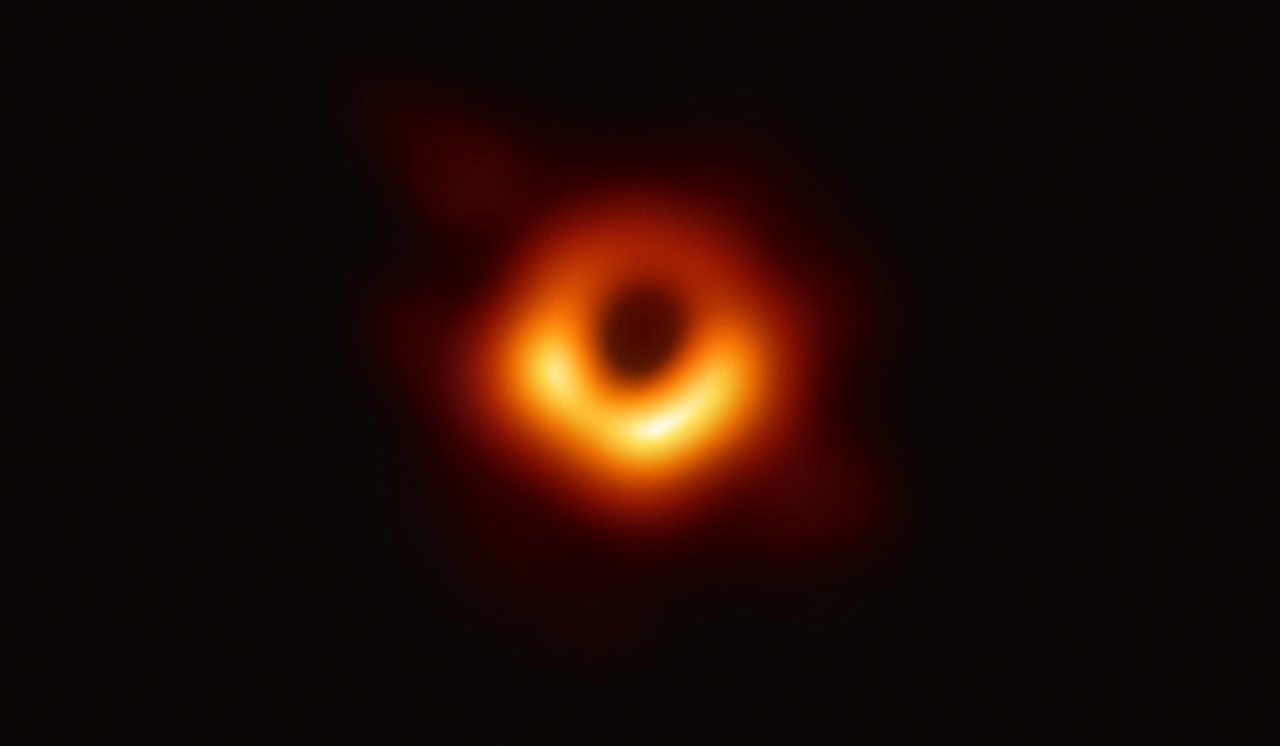
Computational Imaging
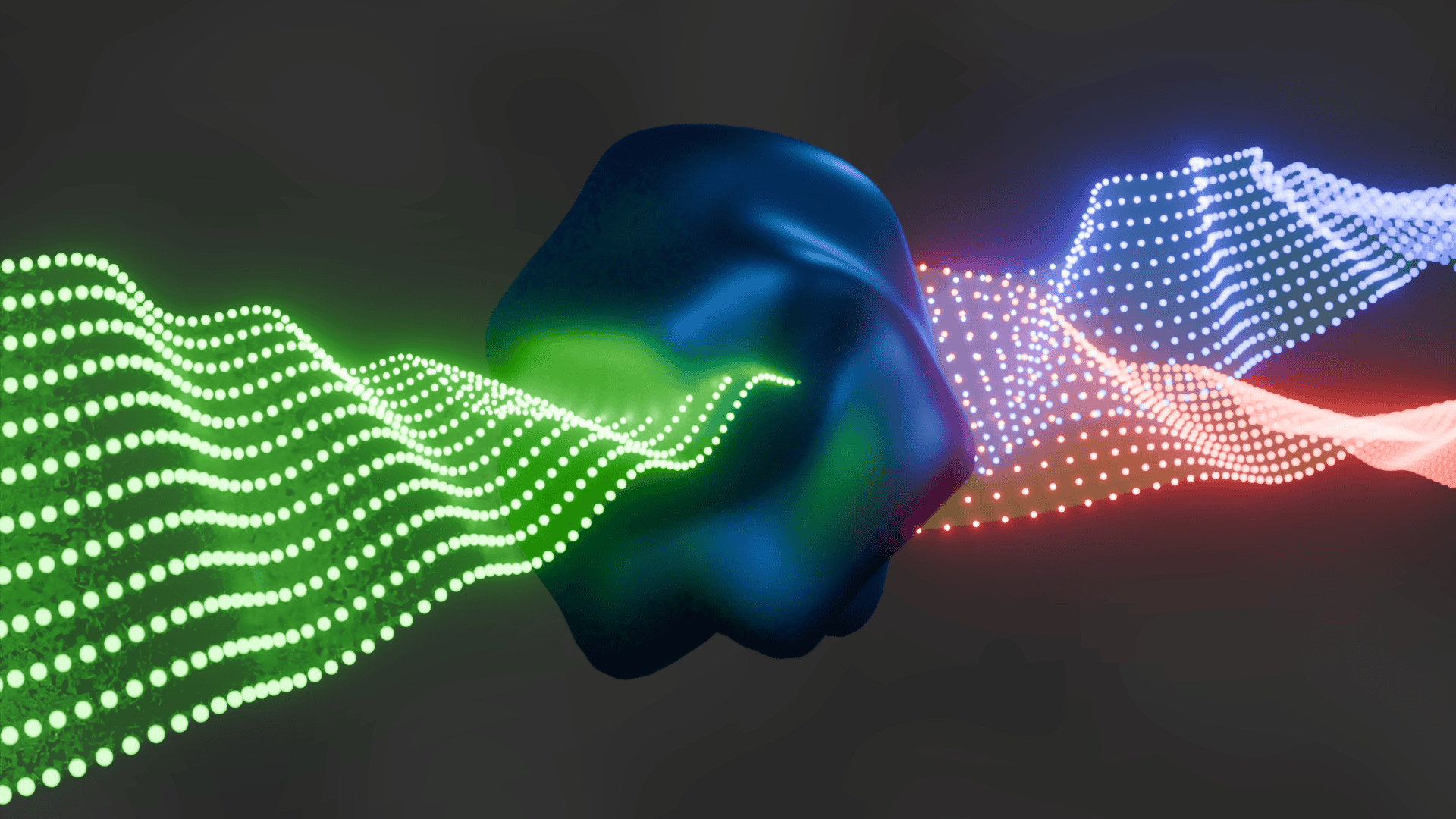
Computational Optics
& Wave Physics

AI + Science
Publications
As of 2026, I have published 100+ papers in top journals (e.g., Nature Astronomy/IEEE TPAMI) and AI conferences (e.g., NeurIPS/ICML/CVPR), with 10,000+ citations. Below is a selection of recent and representative works. Full list: Google Scholar.
Astronomy & Space Science
-
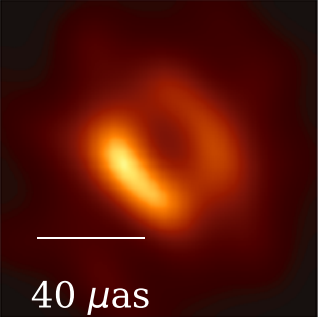
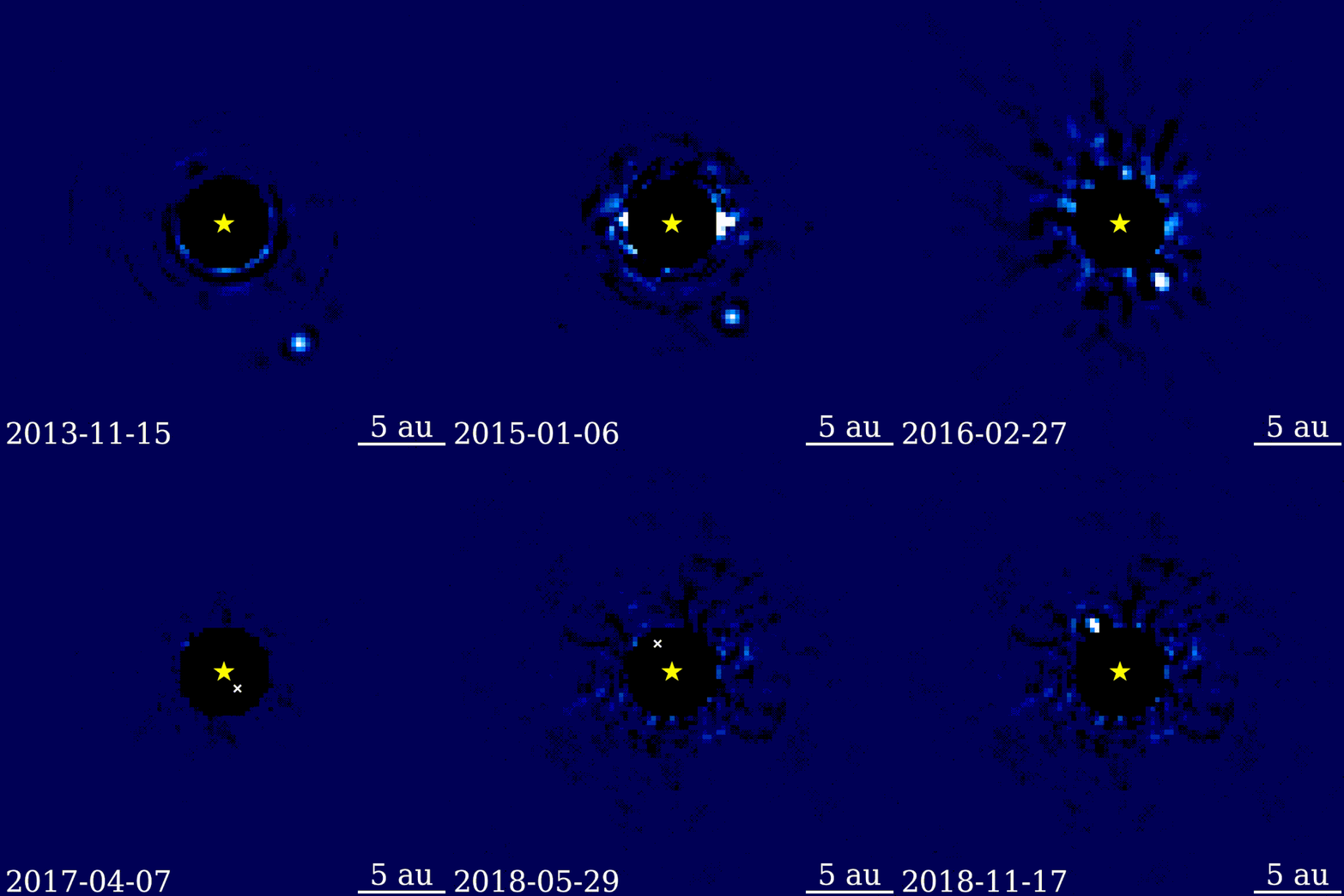
α-Deep Probabilistic Inference (α-DPI): Efficient Uncertainty Quantification from Exoplanet Astrometry to Black Hole Feature Extraction
-
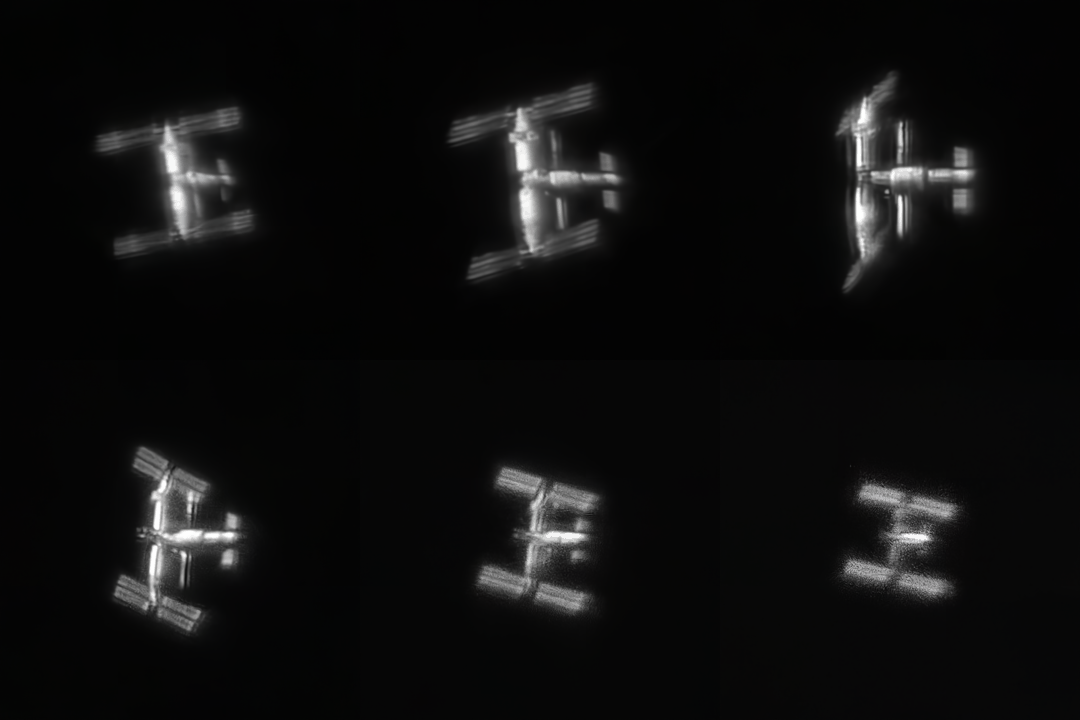
Reconstructing Satellites in 3D from Amateur Telescope Images
-
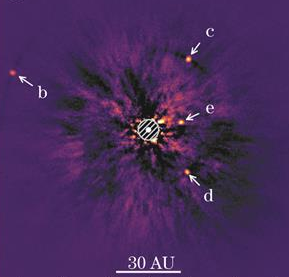
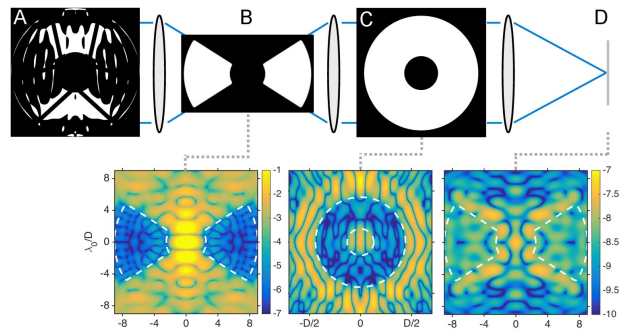
Advances in High-Contrast Computational Imaging for Astronomy
Biomedicine
-
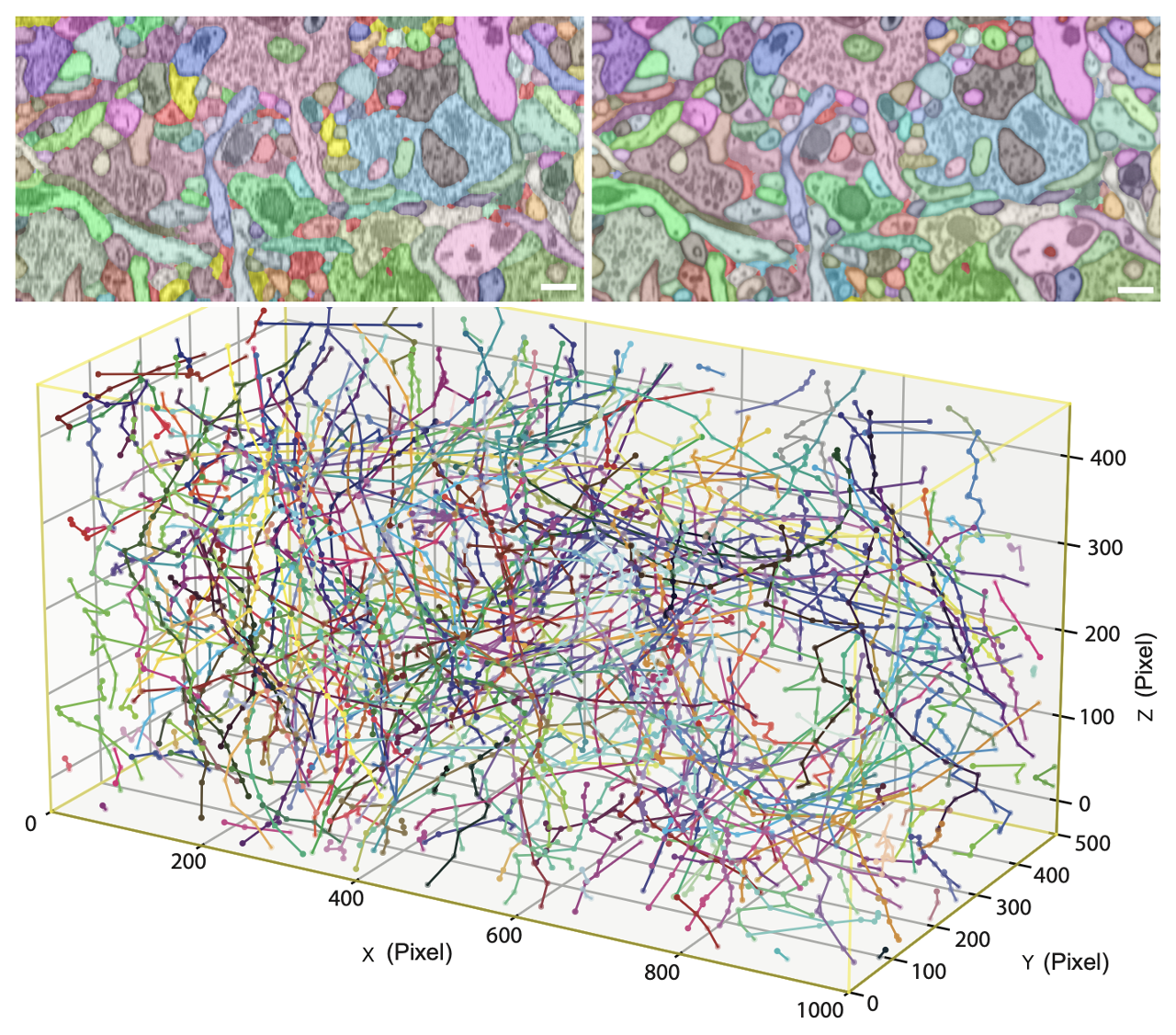
EM Generalist: A Physics-Driven Diffusion Foundation Model for Electron Microscopy
-
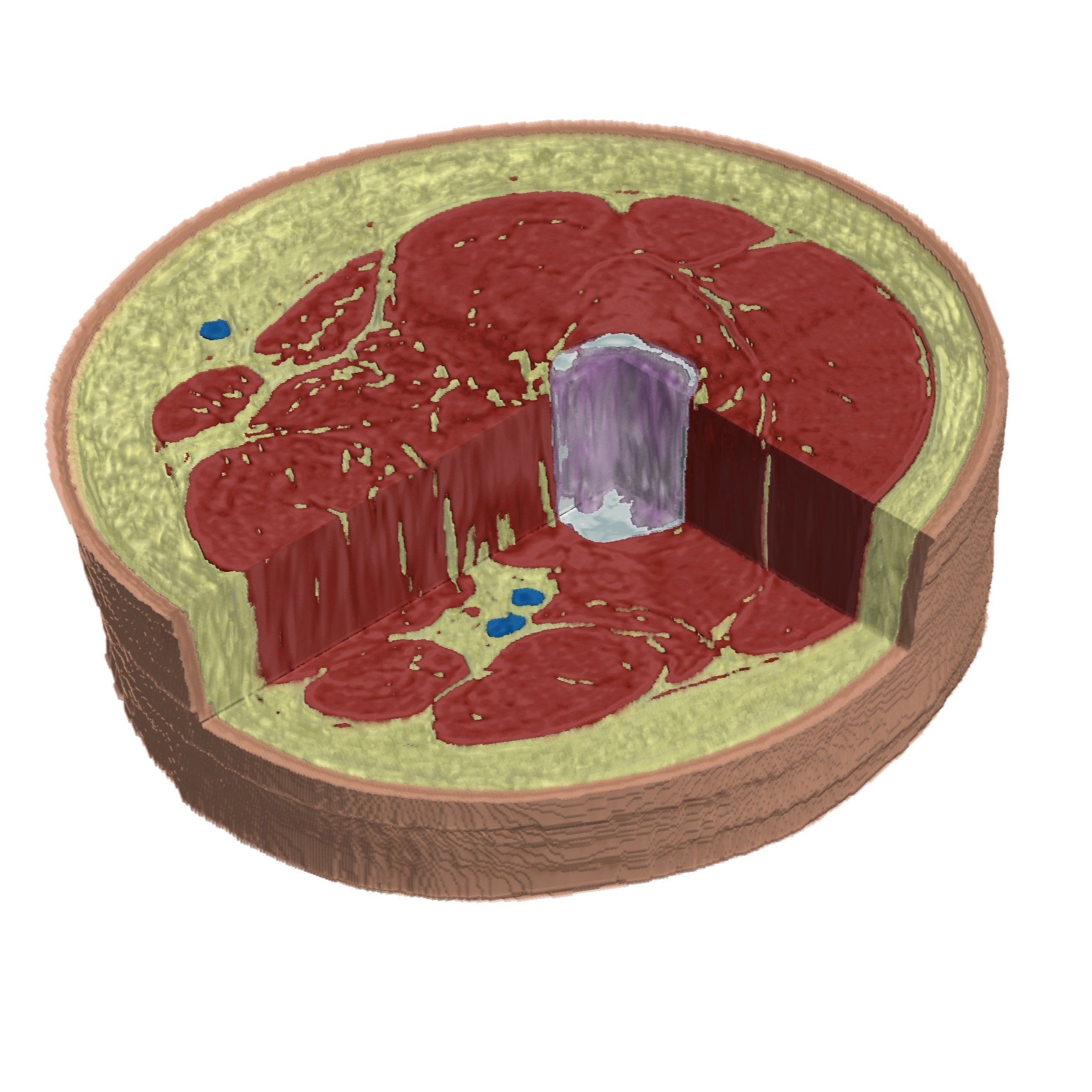
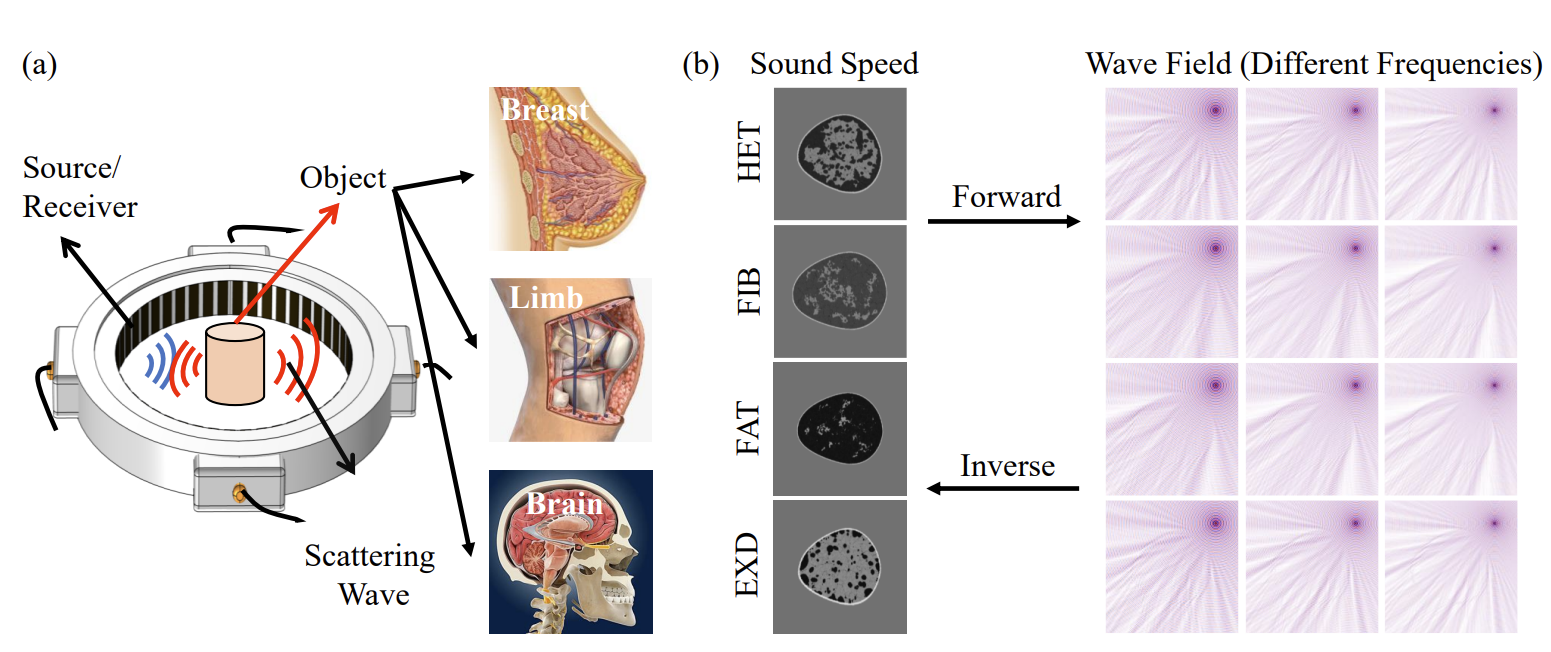
Ultrasound Tomography of Musculoskeletal Tissues with Generative Neural Physics
2026
-
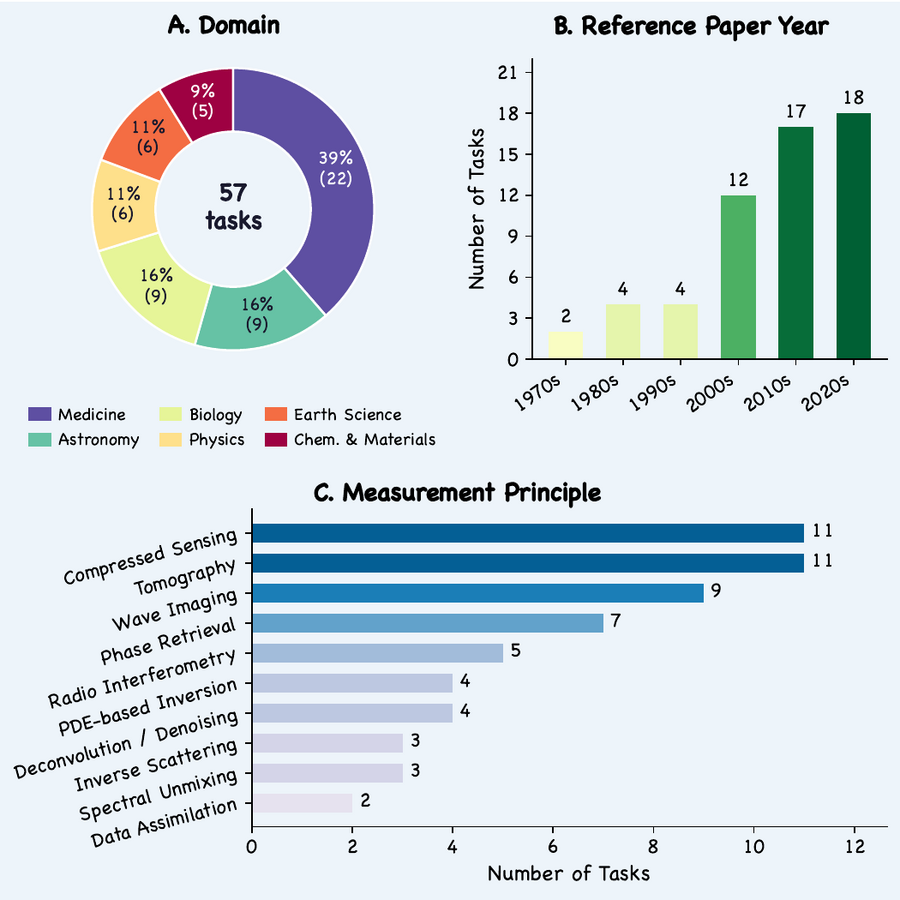
Imaging-101: Benchmarking LLM Coding Agents on Scientific Computational Imaging
-
Ultrasound Tomography of Musculoskeletal Tissues with Generative Neural Physics
-
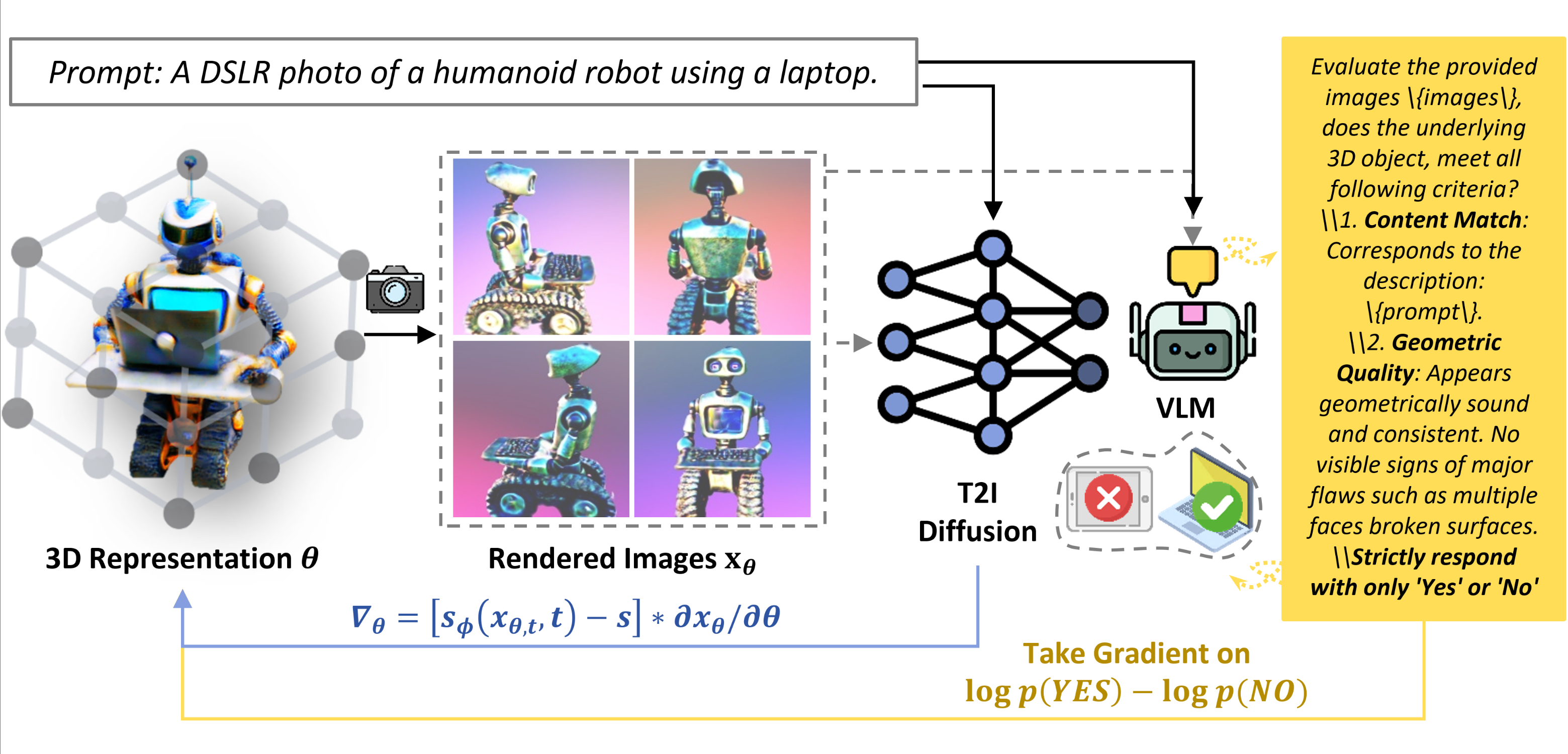
Let Language Constrain Geometry: Vision-Language Models as Semantic and Spatial Critics for 3D Generation
-
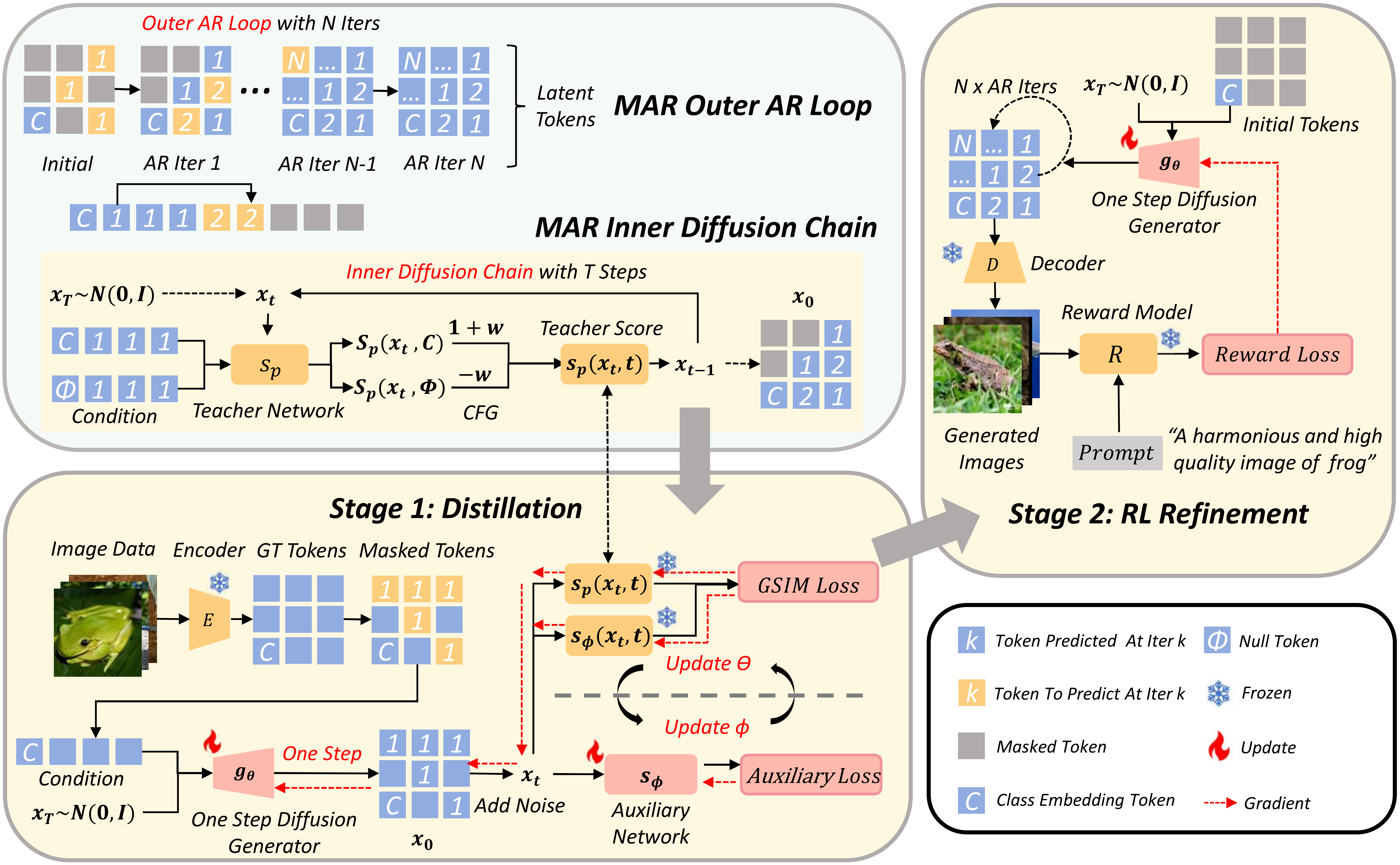
Masked Auto-Regressive Variational Acceleration: Fast Inference Makes Practical Reinforcement Learning
-
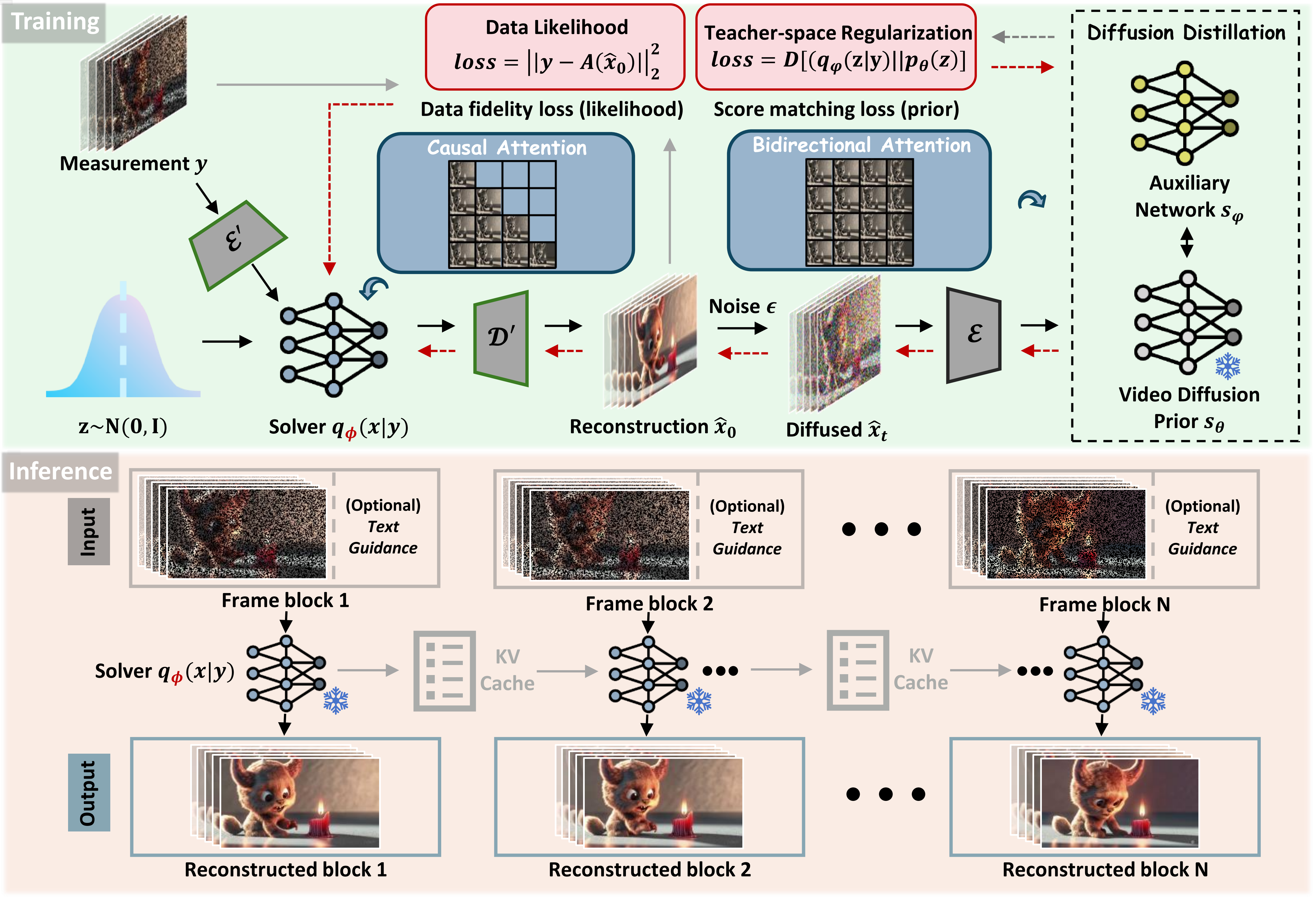
InstantViR: Real-Time Video Inverse Problem Solver with Distilled Diffusion Prior
-
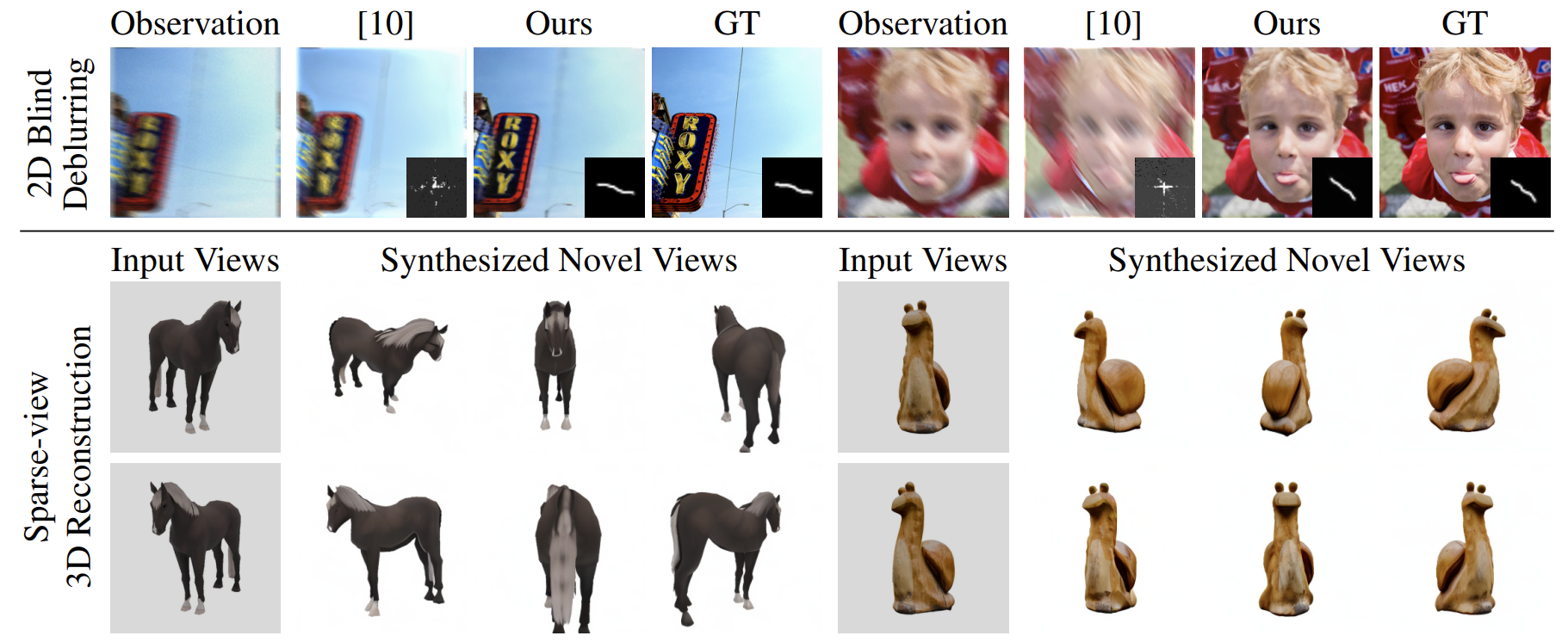
Blind Inversion using Latent Diffusion Priors
-
Advances in High-Contrast Computational Imaging for Astronomy
-
EM Generalist: A Physics-Driven Diffusion Foundation Model for Electron Microscopy
2025
-
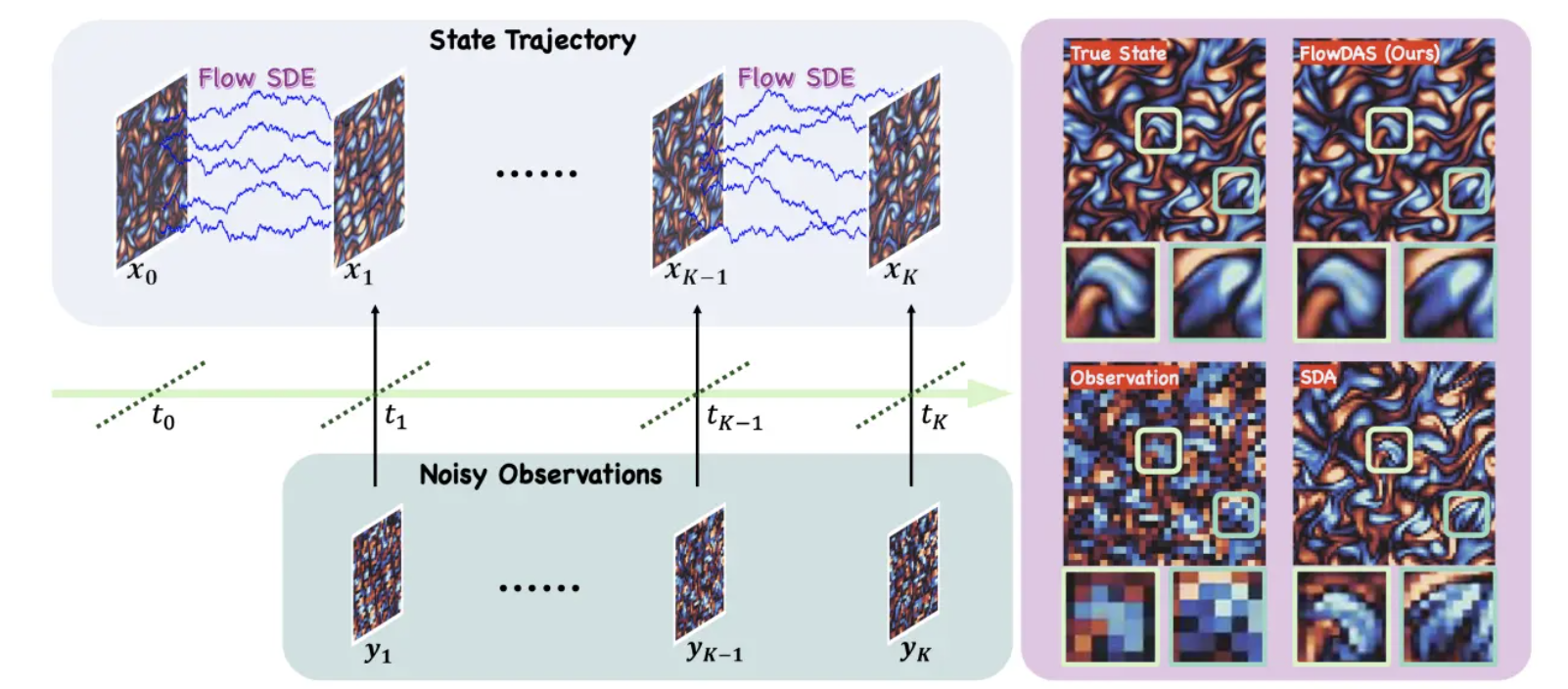
FlowDAS: A Flow-Based Framework for Data Assimilation
-
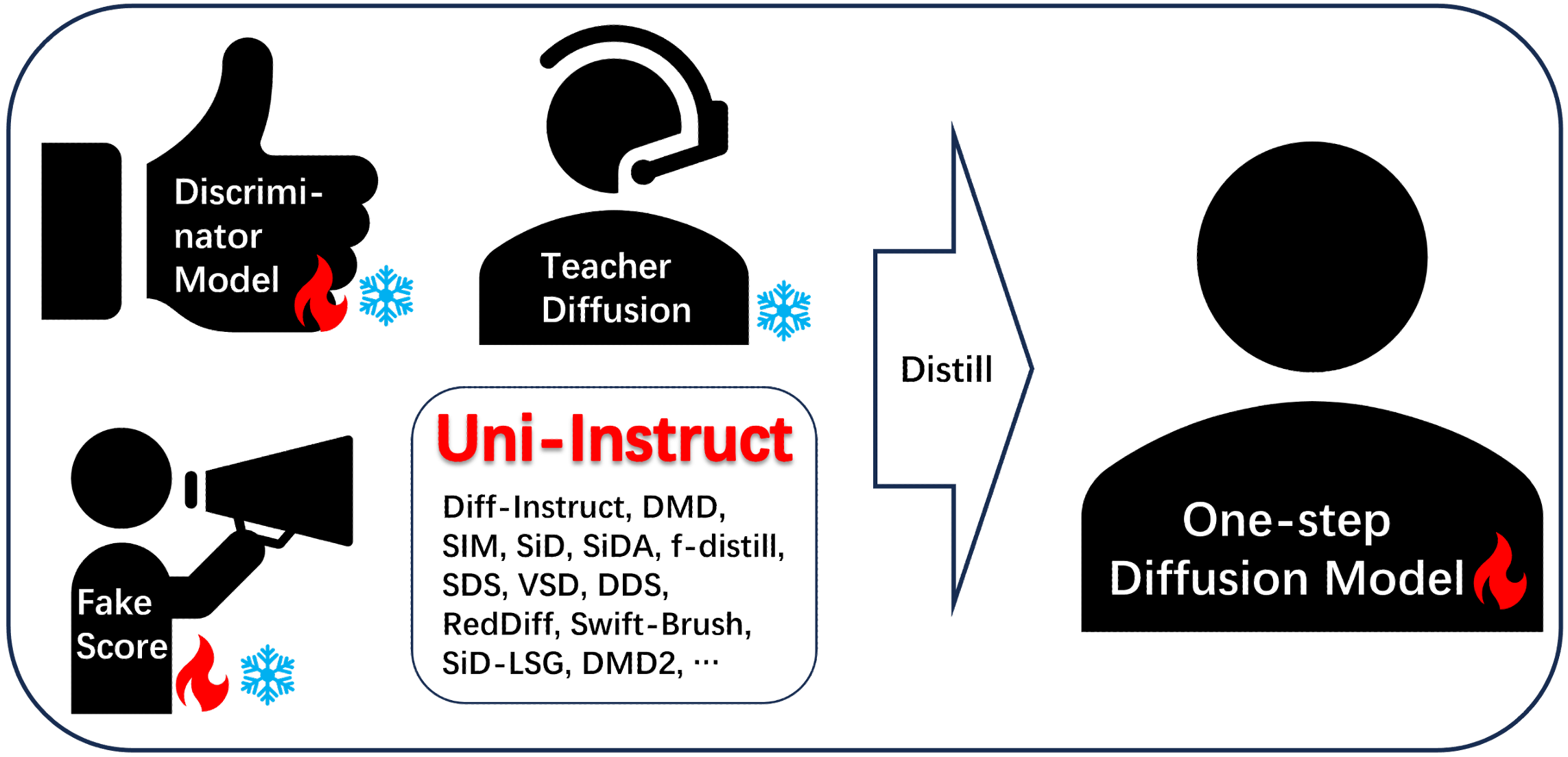
Uni-Instruct: One-step Diffusion Model through Unified Diffusion Divergence Instruction
-
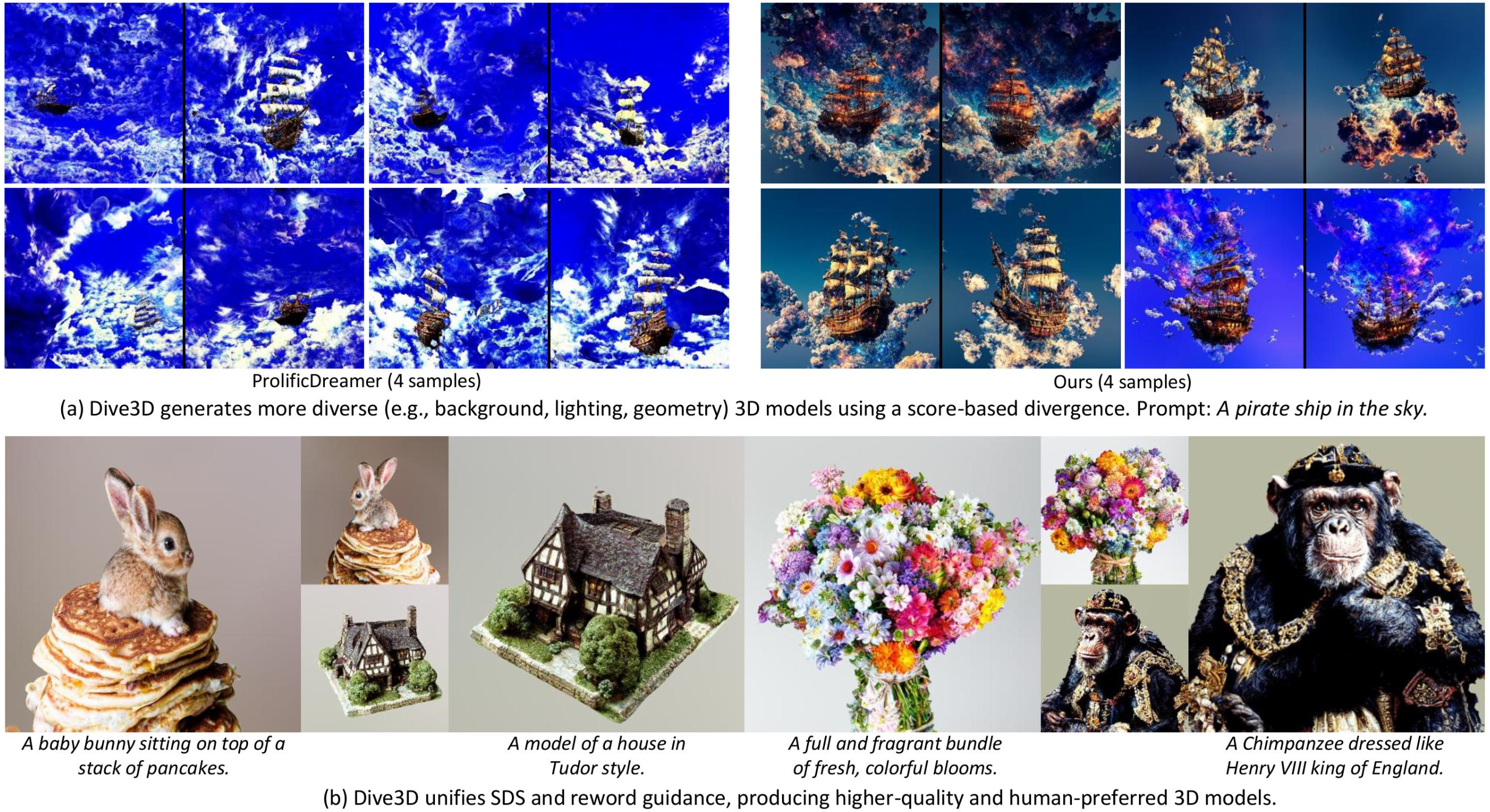
Dive3D: Diverse Distillation-based Text-to-3D Generation via Score Implicit Matching
-
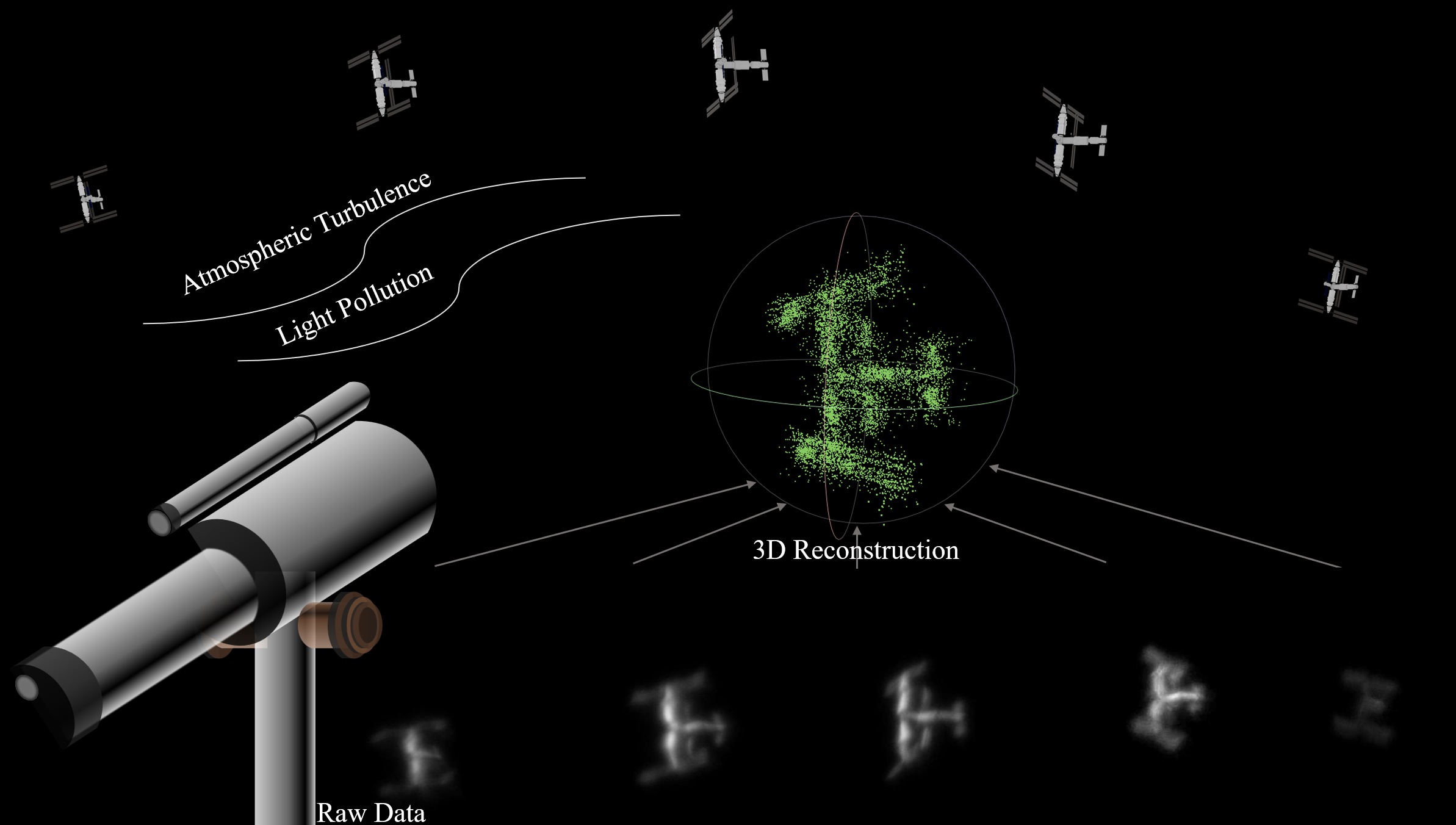
Reconstructing Satellites in 3D from Amateur Telescope Images
-
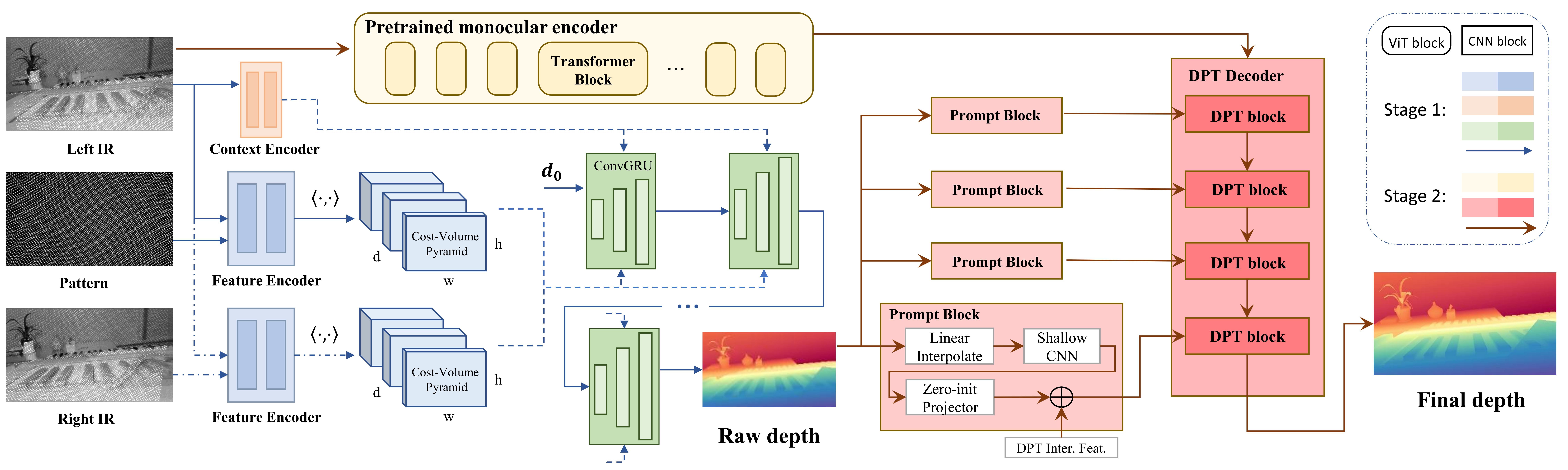
Robust Single-shot Structured Light 3D Imaging via Neural Feature Decoding
-
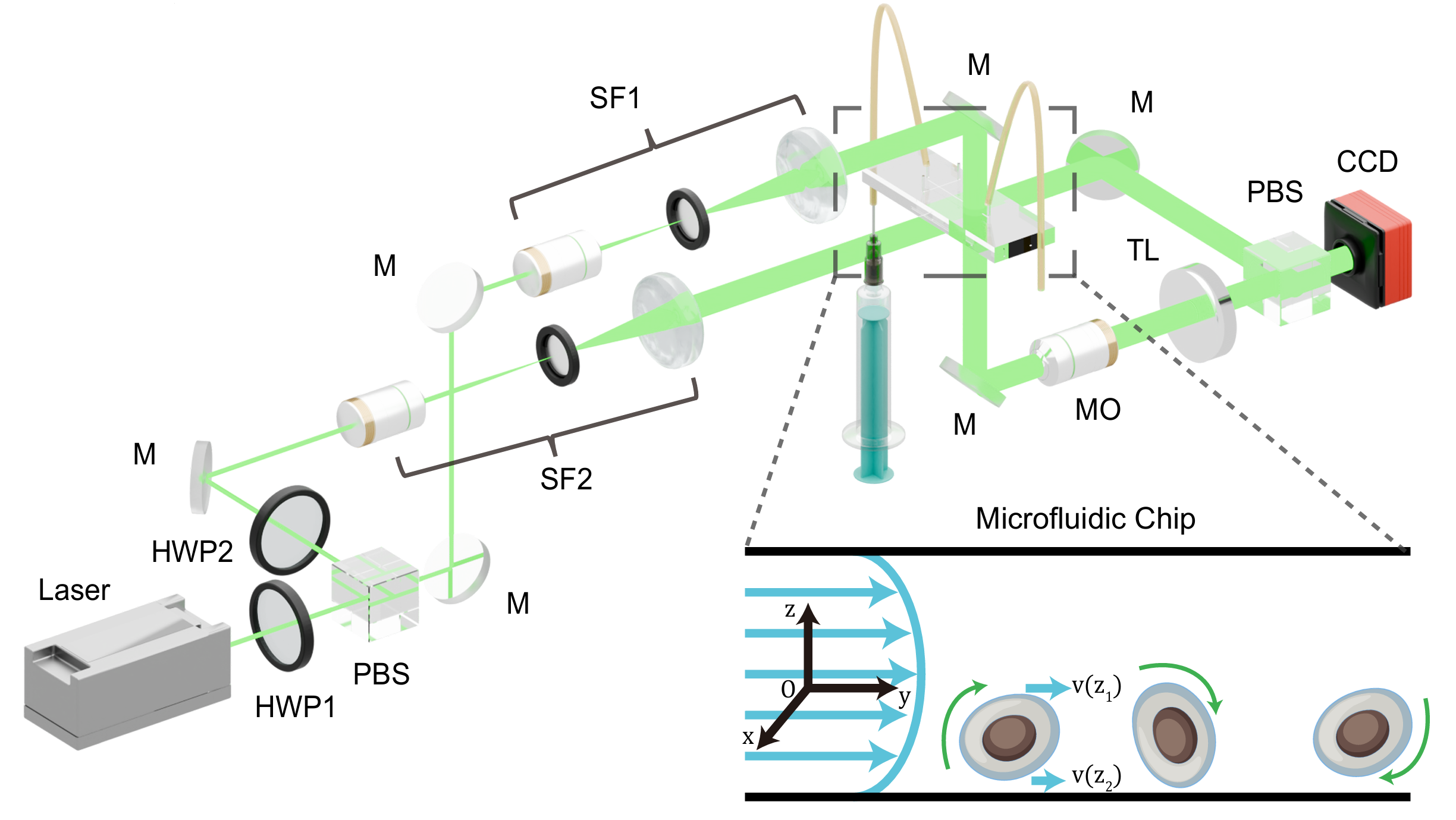
Pose-Free 3D Quantitative Phase Imaging of Flowing Cellular Populations
-
OpenBreastUS: Benchmarking Neural Operators for Wave Imaging Using Breast Ultrasound Computed Tomography
-
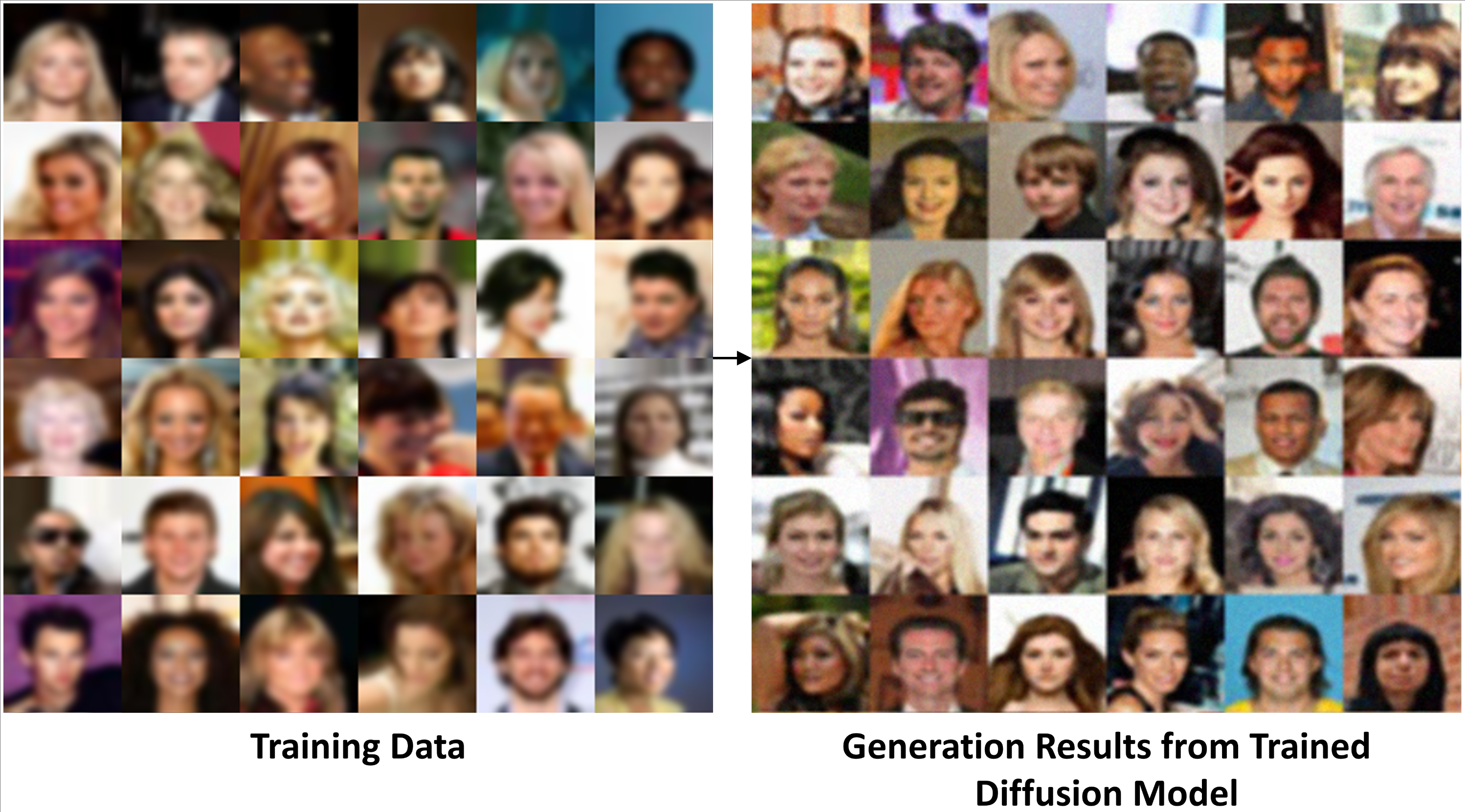
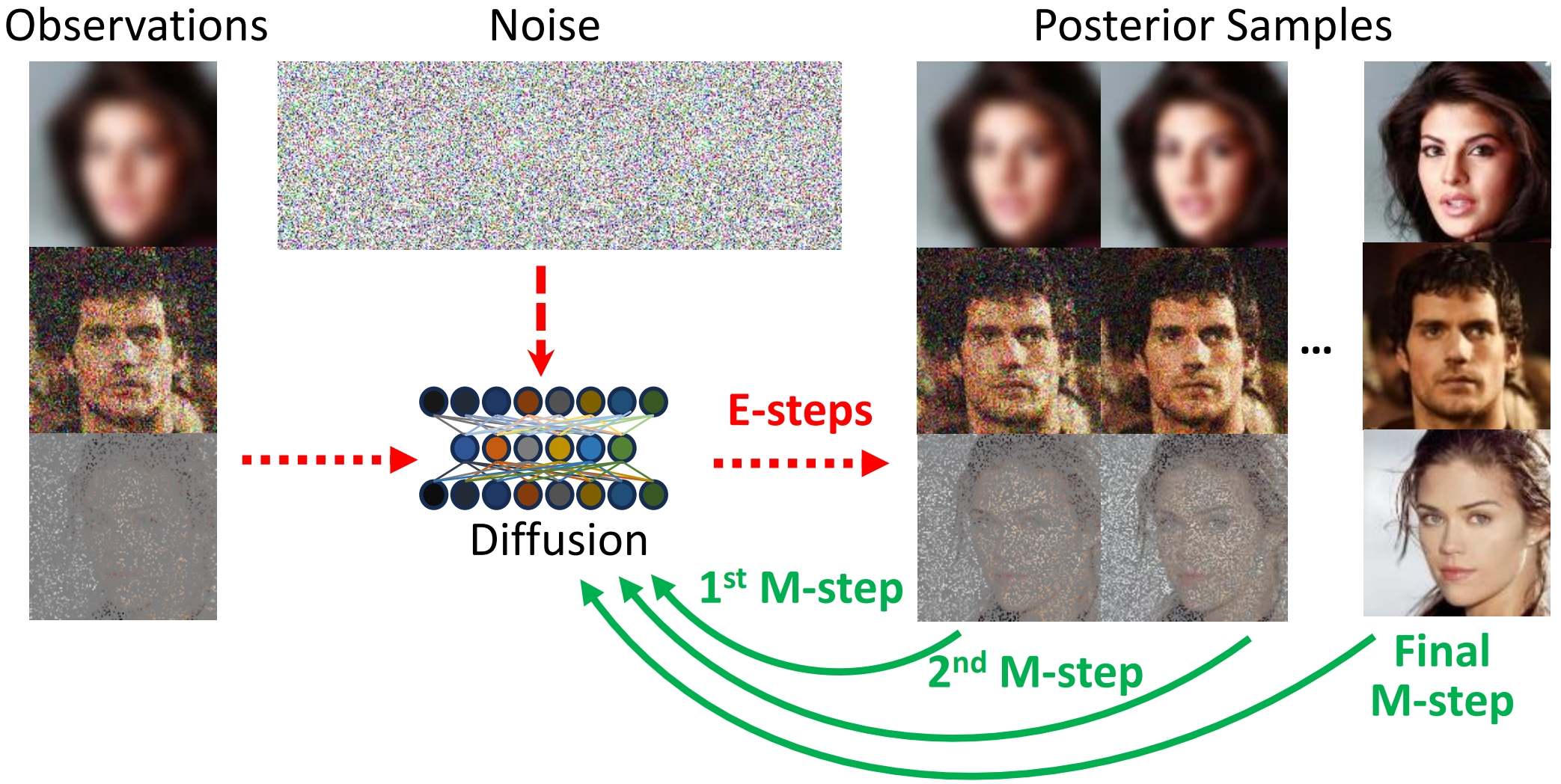
Learning Diffusion Model from Noisy Measurement using Principled Expectation-Maximization Method
2024
-
An Expectation-Maximization Algorithm for Training Clean Diffusion Models from Corrupted Observations
-
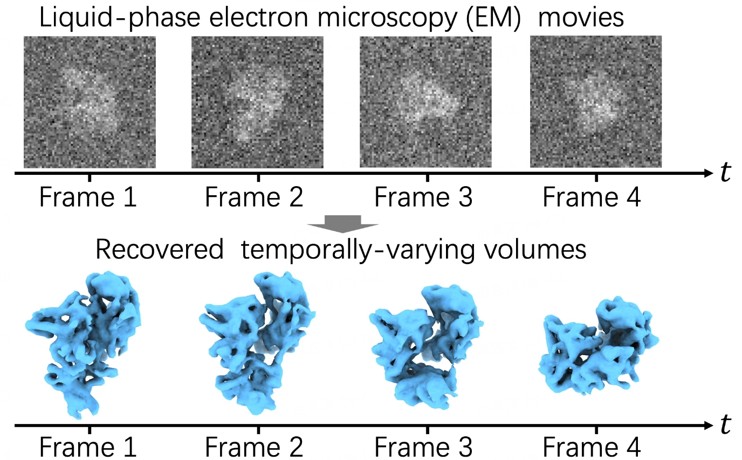
Imaging Biomacromolecules in Action with Liquid-phase Electron Microscopy
-
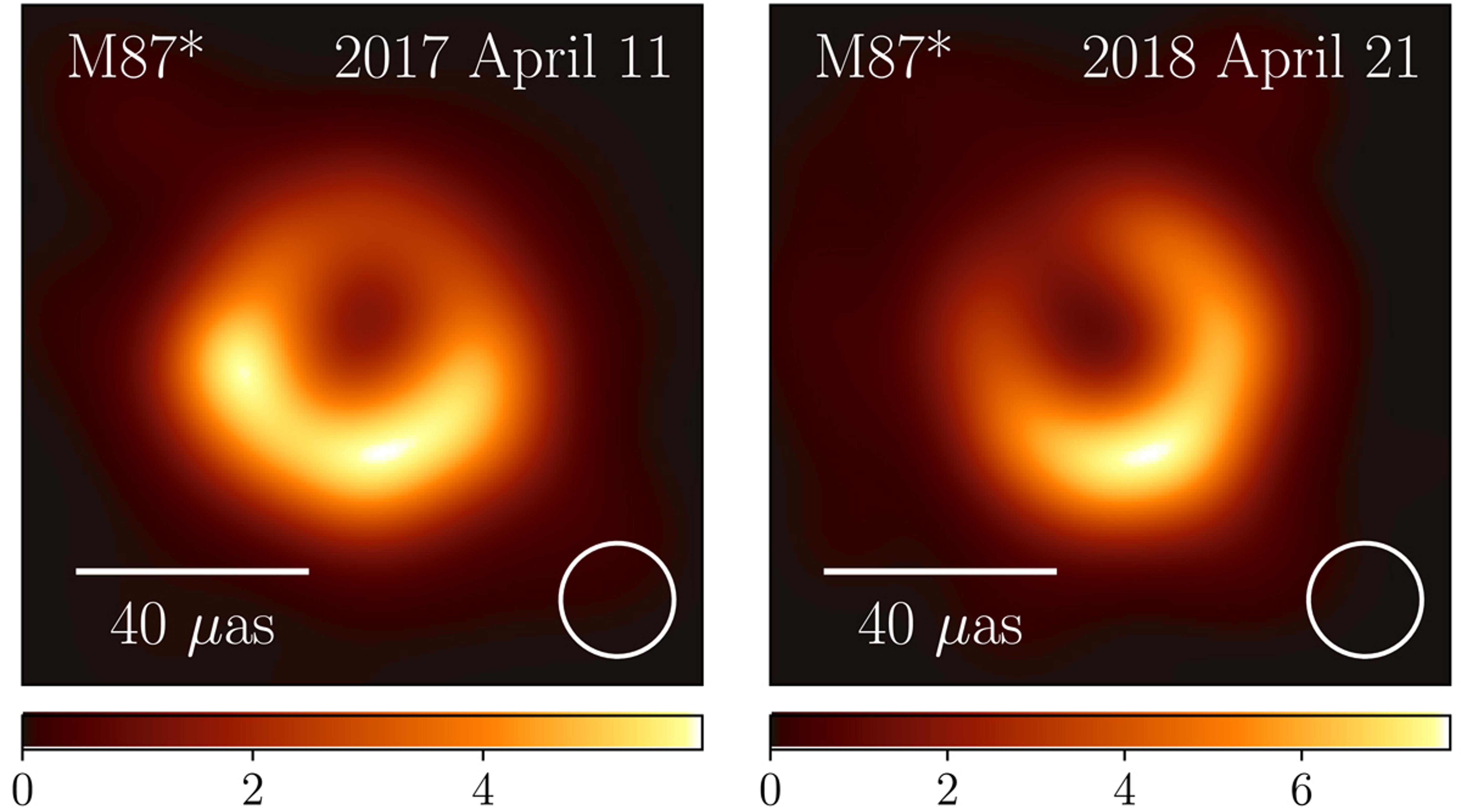
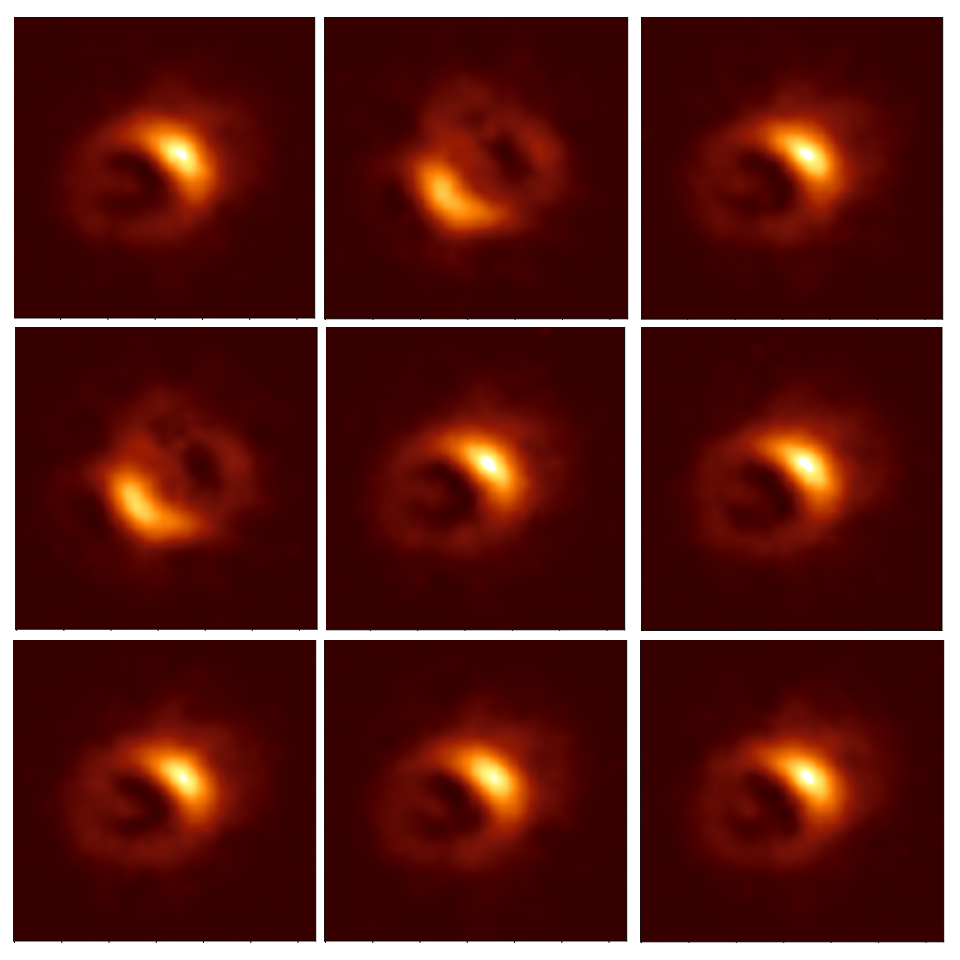
The Persistent Shadow of the Supermassive Black Hole of M87
2023
-
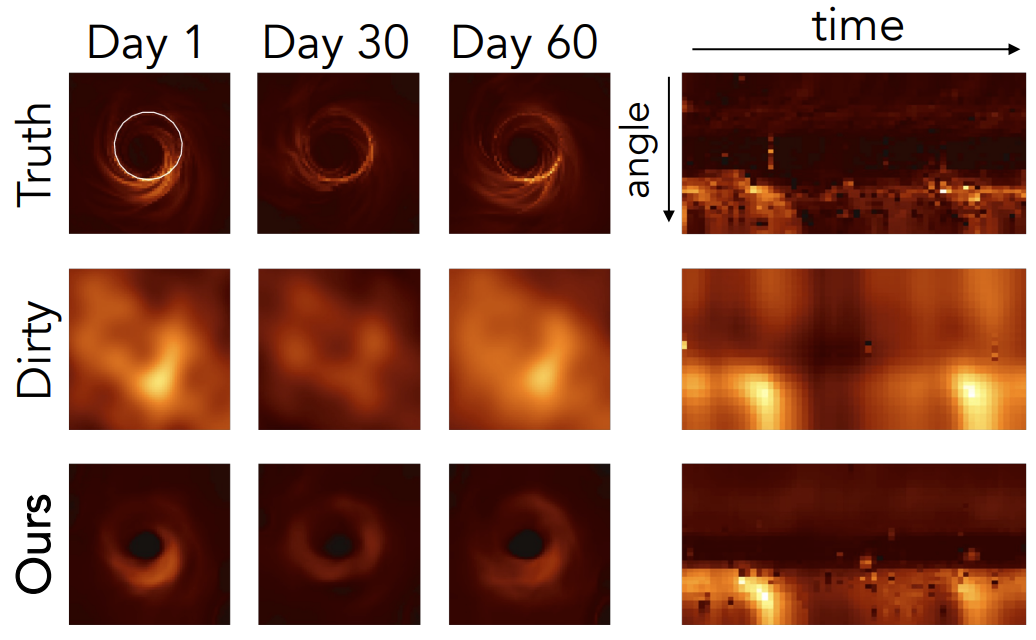
Discovering Structure From Corruption for Unsupervised Image Reconstruction
-
Image Reconstruction without Explicit Priors
-
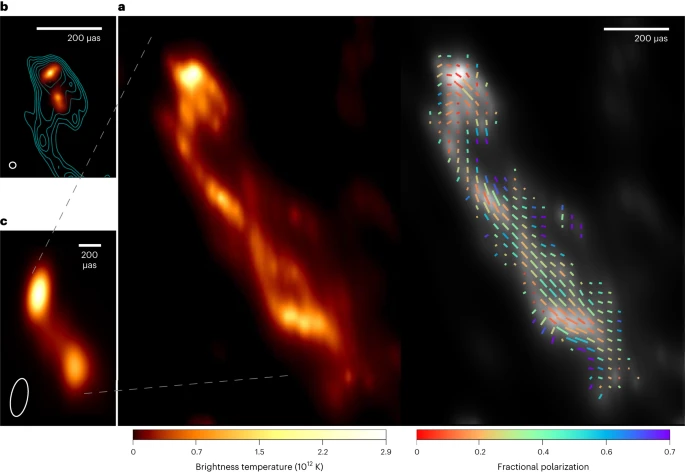
Filamentary Structures as the Origin of Blazar Jet Radio Variability
-
Recovering a Molecule's 3D Dynamics from Liquid-phase Electron Microscopy
-
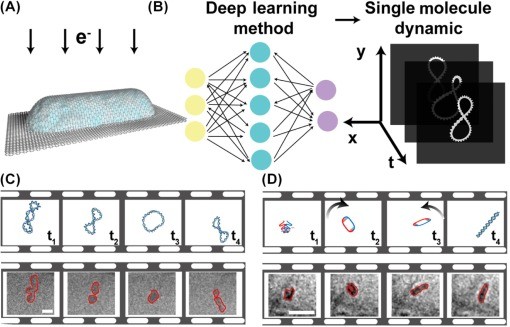
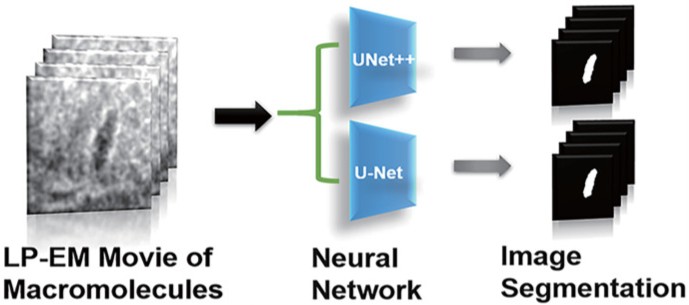
Deep Learning-Assisted Analysis of Single Molecule Dynamics from Liquid-phase Electron Microscopy
2022
-
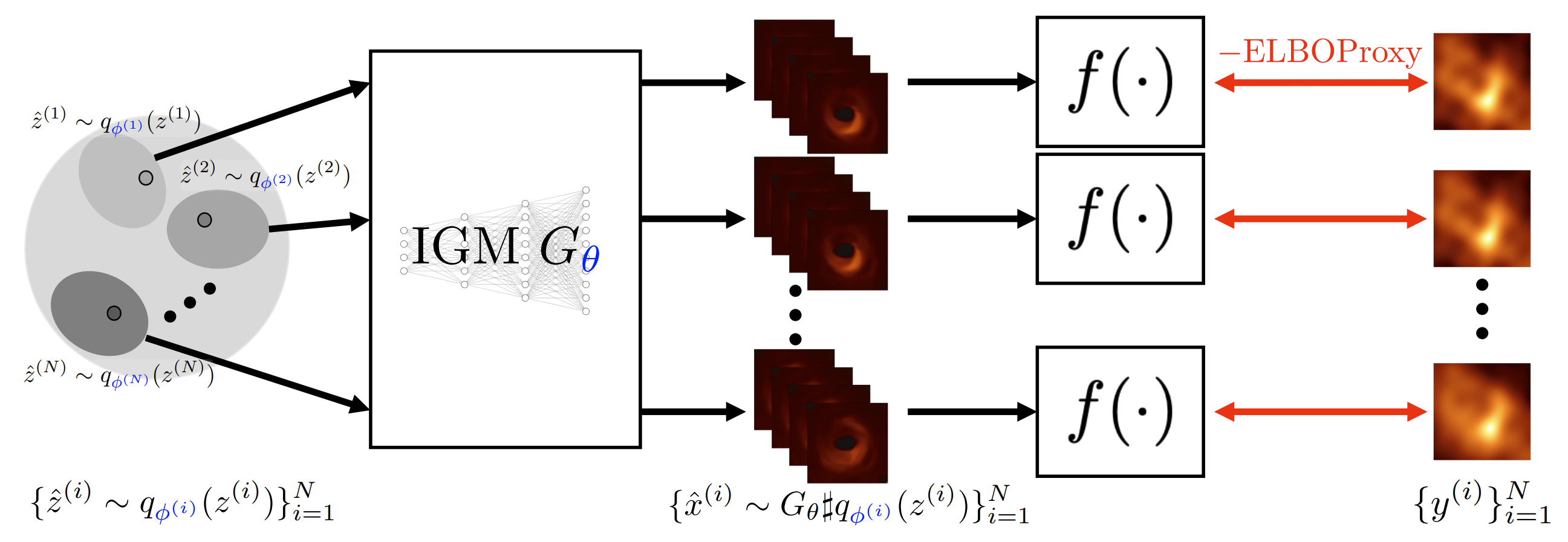
α-Deep Probabilistic Inference (α-DPI): Efficient Uncertainty Quantification from Exoplanet Astrometry to Black Hole Feature Extraction
-
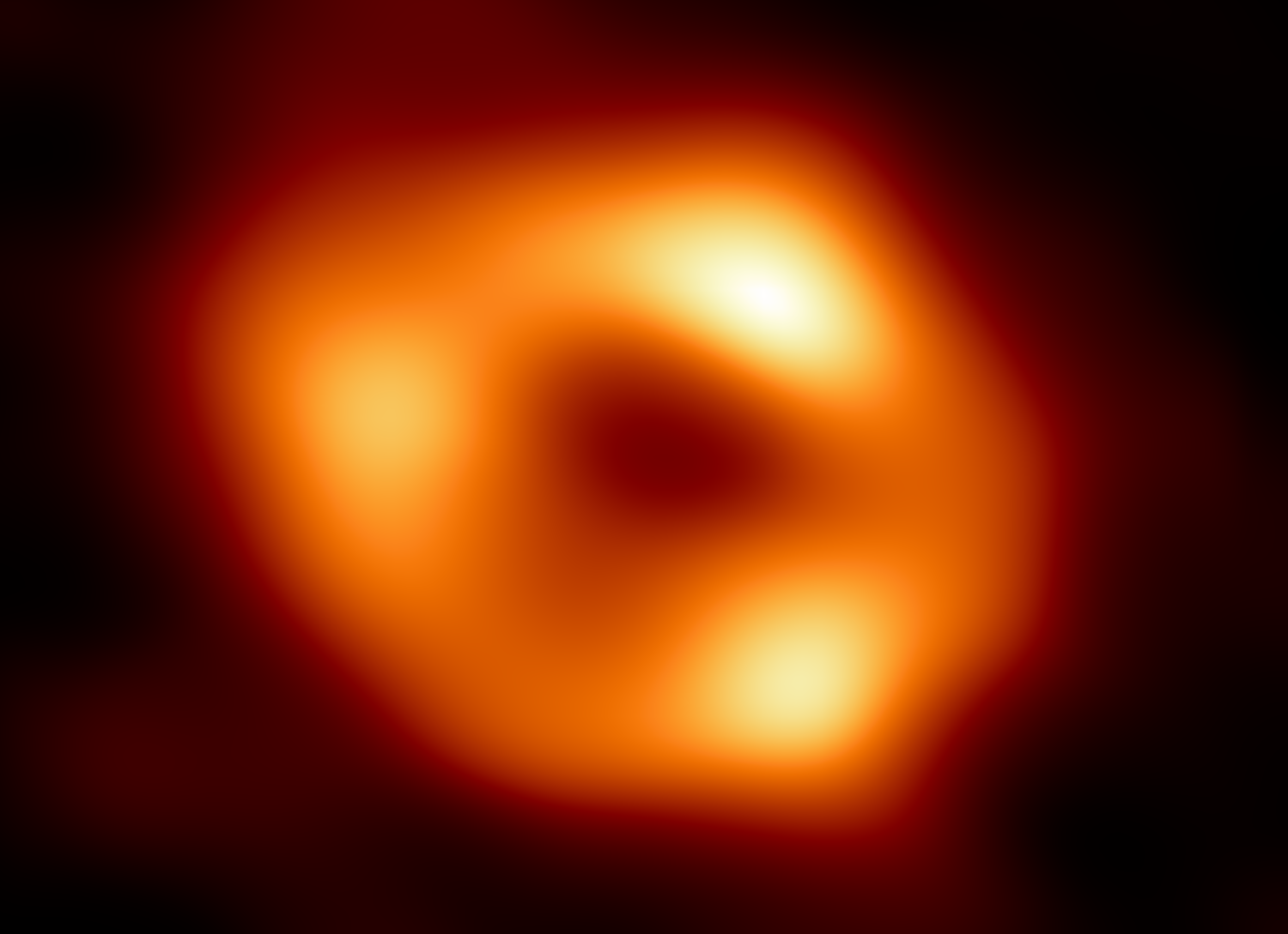
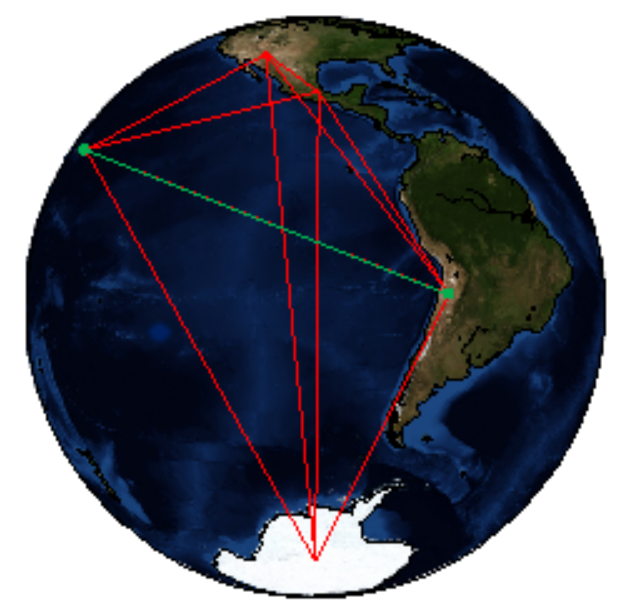
First Sagittarius A* Event Horizon Telescope Results. I–VI
Before PKU
-
Deep Probabilistic Imaging: Uncertainty Quantification and Multi-modal Solution Characterization for Computational Imaging
-
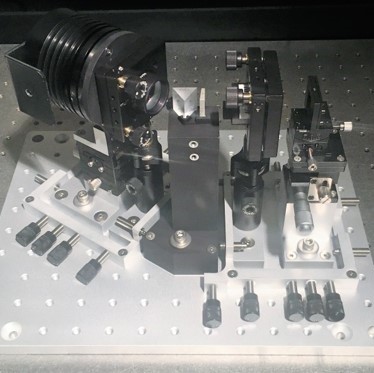
Efficient Wavefront Sensing for Space-based Adaptive Optics
-
High-Contrast Integral Field Spectrograph (HCIFS): Multi-spectral Wavefront Control and Reduced-dimensional System Identification
-
Learning a Probabilistic Strategy for Computational Imaging Sensor Selection
-
Modern Wavefront Control for Space-based Exoplanet Coronagraph Imaging
-
Identification and Adaptive Control of a High-contrast Focal Plane Wavefront Correction System
Teaching
- Undergraduate Biomedical Engineering Design, Spring 2026
- Introduction to Biomedical Engineering, Fall 2025
- Lab Automation and Intelligence, Fall 2025/2026
- Graduate Inverse Problems and Computational Imaging, Fall 2023/2024/2025/2026
- Adaptive Optics: Principles and Applications, Spring 2024, Fall 2025